Pairing Flowers and Mooncakes: A Harmonious Celebration

As the Mid-Autumn Festival approaches, the delightful combination of fragrant flowers and delectable mooncakes presents a unique opportunity to elevate your celebrations. Whether you're hosting a gathering or seeking to create a thoughtful gift, understanding the art of pairing these two cultural icons can add a touch of elegance and symbolism to your festivities.
Flower Selections
When choosing flowers to complement mooncakes, consider the following:
Lotus Flower: The lotus, a revered symbol of purity and enlightenment, pairs beautifully with the rich, dense texture of traditional mooncakes. Its delicate petals and serene appearance create a harmonious contrast.
Chrysanthemum: The chrysanthemum, associated with longevity and rejuvenation, complements the moon-inspired mooncakes with its vibrant hues and delicate, intricate blooms.
Peony: The peony, often referred to as the "king of flowers," exudes a sense of prosperity and good fortune, making it an auspicious choice to accompany mooncakes.
Orchid: The elegant and graceful orchid, symbolising refinement and beauty, can add a touch of sophistication to your mooncake presentation.
Pairing Suggestions
Traditional Mooncakes: Pair classic lotus seed paste or red bean paste mooncakes with a bouquet of lotus flowers or chrysanthemums for a timeless and harmonious display.
Flavoured Mooncakes: For mooncakes with unique flavours, such as green tea or chocolate, consider pairing them with delicate orchids or peonies to create a visually striking and flavourful experience.
Miniature Mooncakes: When presenting bite-sized mooncakes, a small cluster of chrysanthemums or a single stem of a lotus flower can add a touch of elegance and balance the diminutive size of the treats.
Gifting: When gifting mooncakes, consider incorporating a small floral arrangement or a single bloom to elevate the presentation and convey your heartfelt wishes for the recipient.
By thoughtfully pairing flowers and mooncakes, you can create a visually stunning and symbolically meaningful celebration of the Mid-Autumn Festival. Embrace the harmony between these two cultural icons and let your creativity shine through your festive displays.
Guide to Flower Theories for Floristry Skills Enhancement

1. Floral Design Principles
Understanding the foundational principles of floral design is crucial. Focus on the following key aspects:
Balance: Symmetrical and asymmetrical arrangements affect visual stability.
Proportion: Ensure flowers and foliage are in proportion to the container and overall design.
Scale: Vary sizes of flowers and elements to create interest.
Rhythm: Use repetition of shapes and colours to guide the viewer’s eye through the arrangement.
Harmony and Unity: Select flowers and colour palettes that complement each other to create cohesive arrangements.
2. Colour Theory
Delve into the psychology of colours and their effects in floral arrangements. Study:
Colour Wheel: Understand primary, secondary, and tertiary colours.
Colour Harmony: Explore complementary, analogous, and triadic colour schemes to enhance the appeal of arrangements.
Emotional Responses: Recognise how different colours influence mood and perception in design.
3. Flower Chemistry
Gain insight into how the chemical properties of flowers affect their longevity and appearance. Key concepts include:
Ethylene Gas: Understand its role in the ripening and decay processes of flowers.
Hydration: Learn about the importance of hydration in prolonging the life of fresh cuts.
Preservatives: Study various homemade and commercial flower preservatives, and their ingredient functions.
4. Seasonal Floral Availability
Knowledge of seasonal flowers aids in maintaining variety and environmental sustainability. Consider:
Local and Seasonal Choices: Research which flowers bloom at certain times, promoting the use of native species.
Climate Impact: Be aware of how climate variations impact flower availability and quality.
5. Cultural Significance of Flowers
Understanding the meanings and symbolism associated with various flowers can elevate your arrangements. Focus on:
Symbolism: Research traditional associations (e.g., roses for love, lilies for purity).
Cultural Practices: Familiarise yourself with traditional floristry practices around the world.
6. Contemporary Floristry Trends
Stay updated with current trends in floristry to elevate your work. Explore:
Minimalism: Understand the appeal of minimalistic styles focusing on simplicity and negative space.
Sustainable Floristry: Learn about eco-friendly practices, such as using biodegradable materials.
Installation Art: Investigate large-scale installations and event floristry that create immersive experiences.
7. Floral Mechanics
Study techniques that enhance structural integrity and visual appeal in arrangements:
Grid Technique: Use a grid system to hold stems in place for precise design.
Water Methods: Incorporate different methods of hydration, like floral foam or oasis, effectively.
Wiring and Taping: Master the techniques of wiring flowers for both support and aesthetic purposes.
Florist tips
By immersing yourself in these flower theories, you will not only enhance your florist skills but also develop a deeper appreciation for the artistry of floristry. Embrace the learning process and let your creativity bloom as a top florist in Hong Kong.
Pairing chocolate and flowers: an unmissable floral experience and workshop: A Sensory Symphony

Combining the delightful worlds of chocolate and flowers—what a sweet endeavor! Let founder Emily the floral artist behind Floristry Art of Living explore some delightful pairings that will make your taste buds dance and your heart flutter:
1. Dark Chocolate and Roses
Chocolate: Rich, intense dark chocolate with at least 70% cocoa content.
Flower: Red or deep burgundy roses.
Why?: The bitterness of dark chocolate complements the romantic allure of red roses. It’s a classic pairing for special occasions like anniversaries or Valentine’s Day.
2. Milk Chocolate and Daisies
Chocolate: Creamy milk chocolate.
Flower: Bright and cheerful daisies.
Why?: The simplicity of daisies pairs beautifully with the smooth sweetness of milk chocolate. Enjoy this combo on a sunny afternoon—it’s like a hug in floral and cocoa form.
3. White Chocolate and Lavender
Chocolate: Velvety white chocolate.
Flower: Fragrant lavender sprigs.
Why?: Lavender’s calming aroma harmonizes with the gentle sweetness of white chocolate. Close your eyes, take a bite, and imagine a serene garden.
4. Champagne Truffles and Peonies
Chocolate: Luxurious champagne-infused truffles.
Flower: Lush peonies (bonus points if they’re pink!).
Why?: Peonies are opulent and romantic, just like champagne truffles. Celebrate life’s victories—big or small—with this elegant pairing.
5. Sea Salt Chocolate and Succulents
Chocolate: Dark chocolate with sea salt crystals.
Flower: Hardy succulents (yes, they count!).
Why?: The salty crunch of sea salt chocolate balances the earthy resilience of succulents. Plus, both are low-maintenance—perfect for busy plant parents.
6. Orange Chocolate and Marigolds
Chocolate: Zesty orange-infused chocolate.
Flower: Vibrant marigolds.
Why?: Marigolds are used in traditional celebrations, and their bright color pairs wonderfully with the citrusy kick of orange chocolate. It’s a fiesta for your senses!
7. Hazelnut Praline and Sunflowers
Chocolate: Nutty hazelnut praline.
Flower: Sunny sunflowers.
Why?: Sunflowers radiate positivity, and their golden hues mirror the warmth of hazelnuts. Enjoy this pairing during harvest season.
Taste is subjective, so feel free to experiment! Maybe you’ll discover your own unique chocolate-flower duet. And hey, have you ever tried any of these pairings? If not, which one intrigues you the most?
P.S. If you’re feeling adventurous, you could even create a chocolate-flower tasting party!
Disclaimer: Please ensure that any flowers you consume are safe and pesticide-free.
A Guide to Combining Floristry with Yoga

Floristry and yoga are both practices that celebrate the beauty of life, encourage mindfulness, and promote a sense of connection with nature. Integrating floristry into your yoga routine can enhance your overall experience, bringing more awareness to your surroundings and enriching your practice. Here’s how to combine these two disciplines effectively. In the philosophy of Floristry Art of Living Founder Emily (Hong Kong’s renowned floral artist), this is how flowers become the mindfulness inspired journey towards the art of meditation.
1. Create a Floral Altar
Set up a floral altar in your yoga space. Choose a spot where you practice regularly and decorate it with a selection of fresh flowers. This could include your favourite blooms or seasonal varieties that inspire you.
Select Flowers with Intent: Choose flowers based on their meaning. For example, lavender for calm, peonies for protection, or sunflowers for positivity.
Arranging the Flowers: Use a simple vase or a more intricate arrangement to express yourself. This visual focal point can help ground you as you begin your yoga practice.
2. Mindful Flower Arrangement
Integrate a mindful flower arranging session before or after your yoga practice. This acts as a meditative exercise, allowing you to engage with nature and cultivate presence.
Set Your Intention: Before starting, take a moment to focus on your intention for the session. This could relate to your yoga practice or personal growth.
Focus on the Process: As you arrange the flowers, pay attention to the colours, textures, and scents. Allow yourself to become fully absorbed in the act of creating.
3. Practising Yoga with Floral Inspiration
Incorporate concepts from floristry into your yoga practice. This can refine your focus and enhance your connection to the natural world.
Flower-Inspired Poses: Use flower names for your poses (e.g., Lotus pose or Cobra pose). Visualise the flower as you move through the pose, connecting your body to its essence.
Breath Work: As you inhale, imagine drawing in the essence of flowers. Exhale slowly, visualising the release of energy like petals falling gently to the ground.
4. Seasonal Flow
Align your yoga practice with the seasons by incorporating seasonal flowers. This can deepen your relationship with the natural cycles of life.
Spring: Focus on renewal and growth with fresh blooms like daffodils and tulips during your practice.
Summer: Embrace vitality with sunflowers and daisies, allowing their warmth to uplift your energy.
Autumn: Bring balance using mums and asters, reflecting on transition and gratitude.
Winter: Incorporate evergreen branches and holly to connect with resilience during the quieter months.
5. Ending with Gratitude
Conclude your sessions—both floristry and yoga—with a moment of gratitude.
Gratitude Journaling: Take time to record what you appreciate about the flowers you've arranged and the journey of your yoga practice.
Meditation with Flowers: Sit quietly among your flowers, visualising the joy they bring. Reflect on the lessons they impart about life's impermanence and beauty.
Combining floristry with yoga fosters a deeper awareness of the cycles of life and beauty surrounding us. Each practice complements the other, encouraging mindfulness and creativity. Embrace this synergy and allow your yoga experience to bloom alongside the floral inspirations you incorporate.
Elements of Floristry: A Comprehensive Exploration

Here’s a concise thesis on the essential elements of floristry, covering both theory and practical aspects, written by Floristry Art of Living founder Emily.
1. Introduction
Floristry is the art and skill of arranging flowers, foliage, and other ornamental plants in a pleasing and harmonious manner. It encompasses various types and styles, each with its own unique characteristics and techniques1. In this thesis, we delve into the fundamental elements that form the backbone of successful floral design.
2. Elements of Design
Floral arrangements are guided by specific design elements that contribute to their visual appeal. Let’s explore these elements:
a. Line
Definition: Line refers to the visual path created by the arrangement’s components. It can be straight, curved, or dynamic.
Application: Lines guide the viewer’s eye, emphasizing movement and flow within the design. For example, a cascading bouquet uses curved lines to create a sense of elegance and drama.
b. Form
Definition: Form relates to the three-dimensional shape of floral elements. It includes the overall silhouette and individual shapes of flowers and foliage.
Application: Understanding form helps florists create balanced compositions. Geometric forms (such as spheres or triangles) add structure, while organic forms (like natural curves) evoke softness and fluidity.
c. Space
Definition: Space refers to the area within and around the arrangement. It includes both positive space (occupied by flowers) and negative space (empty areas).
Application: Proper spacing ensures that the design doesn’t feel cluttered or sparse. Negative space provides breathing room and highlights the beauty of individual blooms.
d. Texture and Pattern
Definition: Texture comprises the physical characteristics of floral materials, such as smoothness, roughness, or softness. Pattern refers to the repetition of elements.
Application: Combining textures adds depth and interest to arrangements. Patterns can be achieved through repeating similar flowers or foliage.
e. Color
Definition: Color is perhaps the most influential element in floral design. It affects emotions, mood, and overall perception.
Application: Florists must understand color theory, including complementary, analogous, and monochromatic color schemes. Different hues evoke specific feelings (e.g., red for passion, blue for calmness).
f. Size
Definition: Size refers to the relative proportions of floral components. It includes the size of individual flowers, foliage, and the overall arrangement.
Application: Balancing sizes ensures harmony. Large focal flowers draw attention, while smaller filler blooms add detail.
g. Fragrance
Definition: Although not traditionally considered an element, fragrance plays a significant role in floral design.
Application: Certain flowers (like roses or lilies) contribute delightful scents. Florists must consider fragrance when creating arrangements for specific occasions.
Mastering these elements allows florists to create captivating designs that resonate with viewers. Whether arranging for weddings, events, or everyday enjoyment, understanding the principles of floristry enhances the artistry and impact of floral compositions.
This thesis provides an overview of the key elements in floristry, emphasizing their practical application.
Flowers in Meditation: A Historical Journey

In the hustle and bustle of our daily lives, finding moments of tranquility has become a precious commodity. Enter the dynamic duo of meditation meets flora, an unexpected yet harmonious pairing that opens doors to a world of serenity. Let’s explore the profound connection between meditation and the enchanting realm of flowers, uncovering therapeutic benefits, creating meditative spaces, and connecting with nature.
The Therapeutic Benefits of Flowers in Meditation
Delving into the therapeutic benefits, scientific studies have shown that exposure to flowers can significantly reduce stress and anxiety. This goes beyond mere aesthetics; it’s about the profound impact that nature, through its floral ambassadors, can have on our mental and emotional well-being. Here’s how flowers enhance meditation:
Positive Emotions: Flowers, with their intricate patterns and soothing colors, stimulate positive emotions. Their beauty invites us to pause, breathe, and appreciate the present moment.
Mindfulness Anchor: The act of focusing on the beauty of a flower during meditation creates a mindfulness anchor. It grounds you in the here and now, quieting the mind’s incessant chatter.
Aromatherapy: The subtle fragrances emitted by certain flowers can trigger relaxation responses in the brain. Imagine immersing yourself in a meditation session where every inhale is infused with the gentle scent of blossoms, transporting you to a serene mental space.
Creating a Meditative Space with Flowers
Transforming your meditation space into a haven of tranquility is a key step in enhancing your practice. Here are some practical tips on incorporating flowers into your sacred space:
Choose Calming Colors: Opt for flowers in soft, calming colors like lavender, pale blue, or gentle pink. These colors contribute to a serene atmosphere.
Mindful Arrangement: Arrange your flowers mindfully, focusing on creating visually pleasing compositions. Consider placing them in a way that draws your attention without overwhelming the space.
Select Fragrant Varieties: Choose flowers with subtle fragrances to add an olfactory dimension to your meditation space. Lavender, chamomile, and jasmine are excellent choices.
Seasonal Rotation: Change your floral arrangements with the seasons. Embrace the budding energy of spring, the lush greens of summer, the warm hues of autumn, and the simplicity of winter whites.
Cultivating Stillness with Blossoms
As you sit in meditation, let the petals unfold their wisdom. Each flower carries a story—a reminder of impermanence, resilience, and beauty. Whether you’re gazing at a single bloom or surrounded by a garden, allow the flowers to guide you deeper into stillness.
The language of flowers is universal. Let them speak to your heart as you journey within.
Oubaitori: a concept embraced by Floristry Art of Living
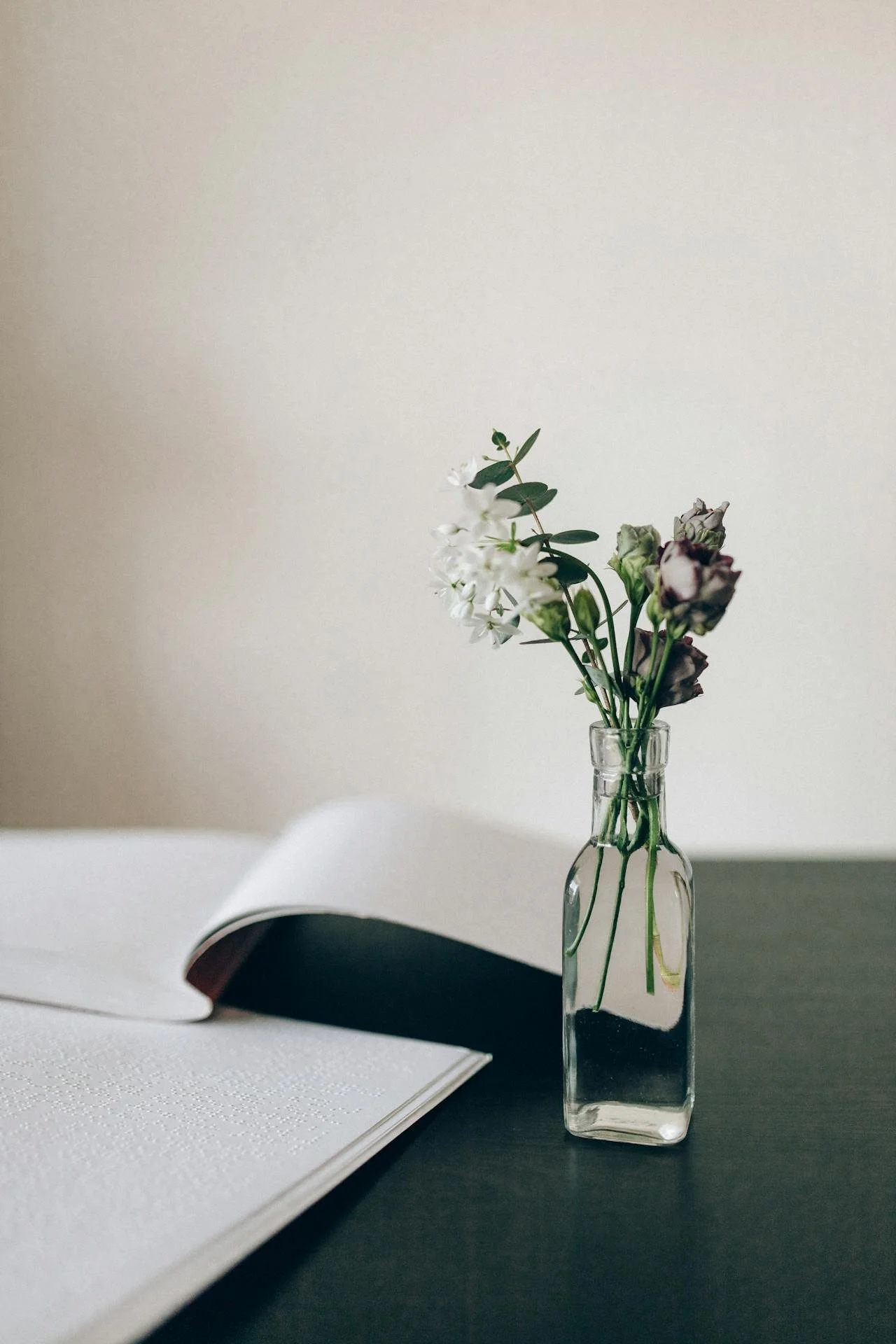
Let’s delve into the beautiful concept of Oubaitori, inspired by flowers and embraced by the founder of Floristry Art of Living, Emily Wong.
Oubaitori: Celebrating Uniqueness in Bloom
Oubaitori (pronounced “oh-buy-toe-ree”) is a Japanese philosophical concept that draws wisdom from the natural world, particularly the blossoming of four trees: Cherry, Plum, Peach, and Apricot. Each of these trees blooms in spring, creating a magnificent tapestry of colors across the Japanese landscape—shades of pink, mauve, blush, and white.
But what makes Oubaitori truly special is its deeper meaning. Let’s break it down:
The Flowers: The Japanese characters for Oubaitori spell out “桜梅桃李,” representing cherry, apricot, peach, and plum. These trees grow close together, yet each blooms in its own order, shape, and time. Their unique flowers contribute to the landscape’s beauty, and each tree brings something distinct.
Non-Comparison: Oubaitori embodies the notion of non-comparison. Just as these trees produce beautiful flowers that mature into juicy fruits, each flower follows its rhythm. No two are alike. The concept extends to people: we, too, follow a once-in-a-lifetime journey. Comparing ourselves to others becomes irrelevant because our growth, colors, and aromas are unique.
Embracing Uniqueness: Like flowers, people develop differently. We have diverse skills, passions, paths, and goals. Oubaitori encourages us to celebrate what makes us special. Instead of comparing ourselves to others, we focus on our individual growth and value our distinctiveness.
Benefits of Practicing Oubaitori
Escape Toxic Comparisons: Comparison steals our joy. When we compare ourselves to others, we see only part of their journey. Biased images and idealized standards lead to self-judgment. Oubaitori frees us from this loop, allowing us to appreciate our own journey.
Security and Happiness: By embracing Oubaitori, we feel more secure and happier. We recognize that everyone’s path is unique, and that’s okay. Our confidence grows as we honor our individuality.
Just as flowers bloom in their own time, so do we. Let’s celebrate our uniqueness and find joy in our once-in-a-lifetime journey.
Understanding the Healy Frequency Device and Its Benefits for Flowers

What Is the Healy Frequency Device?
The Healy Frequency Device is a cutting-edge wearable technology that operates on the principles of frequency therapy and resonance. Developed by a team of experts, it aims to enhance well-being by delivering specific frequencies to the body. Here’s how it works and why it can benefit your flowers:
How Does the Healy Device Work?
Frequency Therapy:
Every cell in our body has its own unique frequency.
When these frequencies are out of balance, it can lead to physical or emotional health issues.
The Healy seeks to address these imbalances by delivering specific, low-level frequencies through electrodes worn on the skin.
Cellular Communication Enhancement:
The Healy device increases cellular energy (ATP) by an average of 500%.
By charging cells to their optimal membrane voltage (mV), it aids the body in returning to homeostasis (balance).
Holistic Approach:
The Healy resonates with the body’s natural frequencies, promoting overall wellness.
It acts as a holistic health practitioner, supporting emotional and physical health.
Benefits for Flowers
Extended Vase Life:
When placed near cut flowers, the Healy’s frequencies may enhance water uptake and cellular stability.
Flowers treated with Healy may exhibit increased turgidity, vibrant colors, and prolonged freshness.
Reduced Oxidative Stress:
The antioxidant properties of Healy’s frequencies may mitigate oxidative stress in plant tissues.
Flowers may experience less wilting and decay.
Improved Water Balance:
Proper water balance is crucial for maintaining flower turgidity.
Healy’s frequencies may regulate water movement within cells, preventing excessive water loss.
While more research is needed to fully understand the mechanisms, the Healy Frequency Device shows promise in enhancing cut flower longevity. Consider incorporating this eco-friendly approach to enjoy your blooms for days beyond the ordinary. Remember, a little frequency magic can go a long way in preserving the beauty of nature’s gifts!
Enhancing Cut Flower Longevity with Hydrogenated Water

Cut flowers bring beauty and vibrancy to our homes, but their short lifespan can be disappointing. However, recent research suggests that hydrogenated water (water infused with molecular hydrogen, H₂) may hold the key to extending the vase life of cut flowers. Let’s explore how this simple technique can breathe new life into your floral arrangements.
The Science Behind Hydrogenated Water
Antioxidant Properties:
Hydrogen gas (H₂) acts as a powerful antioxidant. It neutralizes harmful free radicals, reducing oxidative stress in plant tissues.
Oxidative stress accelerates flower wilting and decay. By providing H₂, we can mitigate this process.
Water Balance and Membrane Stability:
Proper water balance is crucial for maintaining turgidity (firmness) in cut flowers.
H₂ helps regulate water movement within cells, preventing excessive water loss and maintaining membrane integrity.
Reducing Stomatal Size:
Stomata are tiny pores on leaf surfaces that control gas exchange and water loss.
H₂ treatment reduces stomatal size, minimizing water loss through transpiration.
Practical Application
Hydrogenated Water Preparation:
Fill a vase with fresh water.
Use a hydrogen water generator or tablets to infuse H₂ into the water.
Cut Flower Placement:
Trim flower stems at an angle to maximize water uptake.
Place the flowers in the hydrogenated water.
Observe the Difference:
You’ll notice increased turgidity, vibrant colors, and extended vase life.
H₂-treated flowers stay fresher and more beautiful for longer.
While more research is needed to fully understand the mechanisms, hydrogenated water shows promise in enhancing cut flower longevity. Try this eco-friendly approach to enjoy your blooms for days beyond the ordinary. Remember, a little H₂ can go a long way in preserving the beauty of nature’s gifts.
The Impact of Flowers at Home: Insights from Harvard Researchers

Flowers have long been cherished for their beauty, fragrance, and ability to evoke positive emotions. But did you know that having fresh cut flowers in your home can go beyond aesthetics? A groundbreaking study conducted by Nancy Etcoff, Ph.D., of Massachusetts General Hospital and Harvard Medical School, sheds light on the psychological benefits of living with flowers. Floristry Art of Living explores the fascinating findings and understand why incorporating blooms into your living space can enhance your well-being.
The Home Ecology of Flowers Study
The Home Ecology of Flowers Study at Harvard aimed to investigate how flowers in the home environment impact our feelings, emotions, and overall well-being. Here are the key findings:
Flowers Feed Compassion:
Participants who lived with fresh cut flowers for less than a week reported an increase in feelings of compassion and kindness toward others.
The presence of flowers seemed to foster empathy and positive social interactions.
Anxiety and Blues Begone:
Overall, people in the study felt less negative after being around flowers at home for just a few days.
Participants frequently placed flowers in their kitchens, dining rooms, and living rooms—spaces where they spend significant time.
The simple act of seeing blooms first thing in the morning had a mood-enhancing effect.
Boost of Energy and Enthusiasm at Work:
Having flowers at home had a positive carry-over impact on participants’ mood at work.
People were more likely to feel happier, enthusiastic, and energized when flowers were part of their home environment.
Methodology
Fifty-four participants (ages 25-60) were studied using self-report measures.
Participants rated their feelings during specific periods of the day, recording emotions both when flowers were and were not present.
Half of the participants received a “control” home décor item (other than flowers) to ensure study validity.
Photographs were taken before and after flowers were delivered to assess any changes in room use or appearance.
Why Flowers Matter
Positive Impact on Well-Being: Living with flowers was associated with fewer episodes of anxiety and depressed feelings.
Stress Reduction: Flowers create a calming and soothing environment, reducing stress and promoting relaxation.
Connection to Nature: Bringing nature indoors fosters a sense of connection and vitality.
As a psychologist, Nancy Etcoff emphasizes that flowers have a profound impact on our emotional state. Whether it’s the vibrant colors, delicate petals, or the act of nurturing living things, flowers contribute to our overall happiness and mental health. So, consider adding a fresh bouquet to your home—it’s not just decoration; it’s a boost for your well-being.
Next time you admire a vase of roses or a bunch of tulips, remember that these blooms are more than just beautiful—they’re nature’s gift to our hearts and minds.
Guide to the Affordable Art Fair in Hong Kong

The Affordable Art Fair in Hong Kong is an annual event that showcases a wide range of contemporary artworks at accessible prices. Here is a brief guide to help you make the most of your visit:
1. Event Overview: The Affordable Art Fair features a diverse selection of artworks including paintings, sculptures, prints, and photographs by emerging and established artists. The fair aims to make art more accessible to a wider audience by offering pieces at prices ranging from HK$1,000 to HK$100,000.
2. Location and Dates: The fair is typically held at the Hong Kong Convention and Exhibition Centre in Wan Chai. Be sure to check the official website for specific dates and times as they may vary each year.
3. Ticket Information: Tickets for the Affordable Art Fair can be purchased online or at the venue. Discounts are often available for students, seniors, and early bird purchases.
4. Navigating the Fair: Plan your visit by browsing the list of participating galleries and artists in advance. Take advantage of any guided tours or talks to gain insights into the artworks on display.
5. Budgeting and Buying: Set a budget before attending the fair and stick to it. Don't hesitate to ask the gallery staff or organizers for more information about the artists and their works.
6. Additional Activities: In addition to viewing and purchasing art, the Affordable Art Fair often features interactive installations, workshops, and activities for visitors of all ages to enjoy.
7. After the Fair: Follow up with any artists or galleries whose work caught your eye. Keep an eye out for future exhibitions or events to continue exploring and supporting the art community in Hong Kong.
Enjoy your time at the Affordable Art Fair in Hong Kong and immerse yourself in the vibrant world of contemporary art.
Mother's Day Flower Workshops with Floristry Art of Living Founder Emily
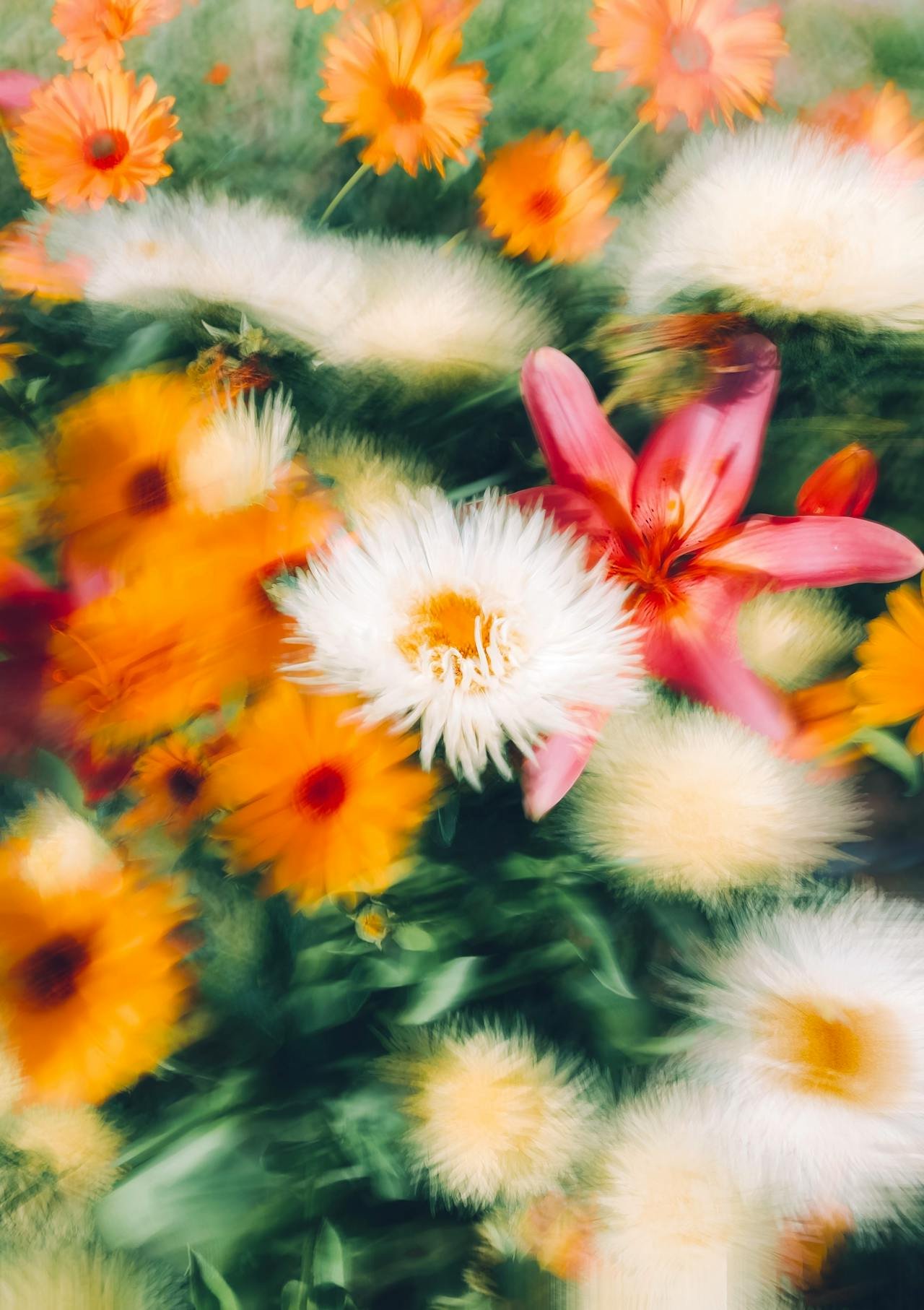
Floristry Art of Living founder Emily offers special flower workshops every Mother's Day to celebrate the occasion. These workshops are designed to provide a hands-on experience in creating beautiful floral arrangements under Emily's expert guidance. Participants will have the opportunity to learn various techniques, color schemes, and floral combinations to craft unique and personalized bouquets for their mothers.
During the workshops, Emily will share her knowledge and passion for floral design, offering valuable tips and tricks to help attendees unleash their creativity. Participants can expect a relaxing and enjoyable atmosphere where they can immerse themselves in the art of floral arranging while bonding with other flower enthusiasts.
Whether you are a novice or experienced in floral design, Emily's Mother's Day flower workshops cater to all skill levels. By the end of the session, attendees will not only take home their stunning creations but also gain a newfound appreciation for the beauty of flowers and the art of floristry.
Join Emily this Mother's Day for a memorable and inspiring flower workshop that will leave you with a one-of-a-kind bouquet to gift to your beloved mother.
Why a Flower Workshop is the Ideal Way to Spend Mother's Day with Your Mum
Mother's Day is a special occasion to show appreciation for the incredible women in our lives, especially our mothers. One unique and thoughtful way to spend this day with your mum is by attending a flower workshop together. Here's why a flower workshop can be the ideal Mother's Day activity:
Quality Time Together: A flower workshop allows you and your mum to spend quality time together in a creative and engaging environment. Bonding over a shared activity like arranging flowers can create lasting memories.
Learning Something New: Flower workshops offer the opportunity to learn new skills and techniques in floral design. Your mum can explore her creativity and discover a new passion for working with flowers.
Expressing Creativity: Crafting beautiful flower arrangements can be a therapeutic and expressive activity. It provides a platform for both you and your mum to unleash your creativity and create something beautiful together.
Personalized Gifts: During the workshop, you can create personalized floral arrangements that can serve as meaningful gifts for each other or for other special women in your lives.
Relaxing and Enjoyable: Engaging in a flower workshop is not only fun but also relaxing. The aroma of fresh flowers, the act of arranging them, and the overall ambiance can create a calming and enjoyable experience for you and your mum.
Celebrating Nature's Beauty: Flowers are nature's gift, and working closely with them allows you to appreciate their beauty and significance. It can be a wonderful way to celebrate the beauty of nature with your mum on Mother's Day.
A flower workshop offers a blend of creativity, relaxation, and quality time that makes it an ideal way to spend Mother's Day with your mum. Consider gifting her this unique experience and create cherished memories together.
Guide: Using Flowers to Match Different Styles of Meditation

Flowers have the power to enhance our meditation practice by creating a harmonious and calming environment. Different styles of meditation can be complemented by specific types of flowers. Here is a Floristry Art of Living guide to help you choose the right flowers for your meditation style:
1. Mindfulness Meditation:
Recommended Flowers: White flowers such as jasmine, orchids, or lilies are perfect for promoting mindfulness and focus. Their delicate scent and elegant beauty can help you stay present in the moment.
2. Guided Visualization:
Recommended Flowers: Bright and colorful flowers like roses, sunflowers, or daisies can stimulate creativity and imagination during guided visualization meditation. Choose flowers that resonate with the specific visualization you are focusing on.
3. Transcendental Meditation:
Recommended Flowers: Lavender or lotus flowers are ideal for transcendental meditation due to their calming and spiritually uplifting properties. Their soothing fragrance can aid in achieving a higher state of consciousness.
4. Mantra Meditation:
Recommended Flowers: Carnations or chrysanthemums are excellent choices for mantra meditation. Their grounding energy can help you stay centered while repeating your chosen mantra.
5. Loving-Kindness Meditation:
Recommended Flowers: Pink or red flowers such as roses or peonies symbolize love and compassion, making them perfect for loving-kindness meditation. Their beauty and warmth can open your heart to sending and receiving positive energy.
6. Walking Meditation:
Recommended Flowers: Wildflowers or native blooms from your surroundings are great companions for walking meditation. Choose flowers that grow along your meditation path to enhance your connection with nature.
Remember to arrange your chosen flowers in a vase or bowl in your meditation space. Take a moment to appreciate their beauty, breathe in their fragrance, and let them inspire you during your practice. Experiment with different flowers to find the perfect match for your style of meditation. Enjoy the serene and uplifting atmosphere they create to deepen your meditation experience. http://haydenblest.com/
Guide to Mindfulness and Mother's Day by Emily, Founder of Floristry Art of Living
As we approach Mother's Day on May 12th, it's important to take a moment to reflect on the significance of this special day. Mother's Day is a time to show appreciation for the important women in our lives who have nurtured and cared for us.
One way to truly honor these amazing women is by practicing mindfulness. Mindfulness is the act of being fully present in the moment, without judgment. It allows us to appreciate the beauty around us and to connect with our inner selves.
Here are some tips on how to incorporate mindfulness into your Mother's Day celebration:
Start the day with gratitude: Begin your Mother's Day by expressing gratitude for the mother figures in your life. Take a few moments to write down or say out loud what you appreciate most about them. This practice will set a positive tone for the day ahead.
Mindful gifting: When choosing gifts for Mother's Day, opt for items that promote mindfulness and self-care. Consider giving your loved ones a beautiful bouquet of flowers from Floristry Art of Living, as flowers have a way of brightening up any space and lifting the spirits.
Quality time: Instead of getting caught up in the hustle and bustle of the day, make a conscious effort to spend quality time with your loved ones. Put away your devices, engage in meaningful conversations, and truly savor the moment.
Mindful dining: If you're planning a special meal for Mother's Day, practice mindful eating. Take the time to savor each bite, appreciate the flavors, and be grateful for the nourishment your meal provides.
Reflect and recharge: At the end of the day, take a few moments to reflect on the moments you shared with your loved ones. Consider journaling about your experiences and how they made you feel. Find a quiet space to recharge and center yourself before the day comes to a close.
By incorporating mindfulness into your Mother's Day celebrations, you can create a deeper connection with your loved ones and fully appreciate the beauty of the day. From all of us at Floristry Art of Living, we wish you a mindful and joyous Mother's Day.
Guide to Different Forms of Meditation by Emily, Floristry Art of Living Founder
As the Founder of Floristry Art of Living, I believe in the power of meditation to enhance our well-being and bring a sense of calm into our lives. There are various forms of meditation, each offering unique benefits to those who practice them. Here are some popular forms of meditation that you can explore:
1. Mindfulness Meditation
Description: Mindfulness meditation involves focusing on the present moment without judgment. It can be practiced by paying attention to your breath, bodily sensations, thoughts, or emotions.
Benefits: Helps in reducing stress, improving focus and concentration, and fostering a greater sense of awareness.
2. Transcendental Meditation (TM)
Description: TM is a technique where you sit with your eyes closed and silently repeat a mantra. The goal is to transcend to a state of pure awareness.
Benefits: Known for reducing anxiety, promoting relaxation, and enhancing overall well-being.
3. Loving-Kindness Meditation
Description: This form of meditation involves cultivating feelings of love, compassion, and goodwill towards yourself and others.
Benefits: Helps in developing empathy, enhancing relationships, and fostering a sense of interconnectedness.
4. Yoga Nidra
Description: Also known as yogic sleep, Yoga Nidra is a guided meditation practiced lying down. It aims to induce a state of deep relaxation while maintaining awareness.
Benefits: Promotes restful sleep, relieves tension, and aids in emotional healing.
5. Walking Meditation
Description: In walking meditation, the focus is on the act of walking itself – the sensations in your body, the movement of your legs, and the environment around you.
Benefits: Combines physical exercise with mindfulness, improves concentration, and encourages a deeper connection with nature.
Experiment with these different forms of meditation to discover which resonates most with you. Remember, the key is consistency and practice. Find a quiet space, set aside dedicated time each day, and allow yourself to fully immerse in the practice. Embrace the journey towards a calmer mind and a more centered self.
Embrace the journey towards a calmer mind and a more centered self.
With peace and petals,
Emily, Founder of Floristry Art of Living
Guide to Meditative Forms of Floristry
Floristry, the art of living and the art of arranging flowers, can be a deeply meditative practice that helps one relax, focus, and find peace. Here are some of the most meditative forms of floristry to try:
Ikebana: A Japanese art form that focuses on minimalism and balance. Ikebana arrangements often consist of a few stems carefully placed in a simple container. Practicing Ikebana can help you appreciate the beauty of each flower and cultivate a sense of tranquility.
Zen Arrangements: Inspired by the principles of Zen Buddhism, Zen arrangements are characterized by simplicity, naturalness, and asymmetry. Working on a Zen floral arrangement can help you clear your mind and be present in the moment.
Mindful Bouquets: Creating mindful bouquets involves selecting flowers mindfully, paying attention to colors, shapes, and textures. As you arrange the flowers, focus on each movement and breath, allowing yourself to fully immerse in the process.
Seasonal Arrangements: Embrace the beauty of each season by creating arrangements using flowers that are in season. This form of floristry can help you feel connected to nature and appreciate the cyclical nature of life.
Therapeutic Flower Arranging: This form of floristry focuses on the therapeutic benefits of working with flowers. Use fragrant flowers like lavender or eucalyptus to engage your senses and promote relaxation.
Incorporating these meditative forms of floristry into your routine can help you find moments of calm and mindfulness in your day-to-day life. Whether you are a seasoned florist or just starting, take the time to explore these practices and see how they can benefit your well-being.
Guide on Filming Floristry and Meditation in a Video Production
When creating a video that combines floristry and meditation, it's essential to capture the calming and aesthetic aspects of both practices. Here are some tips to help you film a beautiful and peaceful video:
Preparation
Storyboard: Plan out the sequence of your video, including the arrangement of flowers and the meditation practice. This will help you stay organized during filming.
Location: Choose a serene location with natural light for filming. Consider a garden, a quiet room with plants, or a peaceful outdoor area.
Props: Gather a variety of fresh flowers, foliage, meditation cushions, candles, and any other props that fit the theme.
Filming Techniques
Lighting: Natural light is ideal for creating a soft and calming atmosphere. Avoid harsh shadows by filming in the morning or evening.
Angles: Experiment with different angles to capture the details of flower arrangements and the meditative process. Close-up shots can show intricate floral designs, while wide shots establish the setting.
Movement: Use smooth camera movements to create a soothing visual experience. Slow pans and gentle zooms can add a sense of tranquility to your video.
Focus: Ensure that your camera focuses on the key elements of each scene, whether it's a blooming flower or a person meditating. A shallow depth of field can enhance the visual appeal.
Capturing Floristry
Step-by-Step: Show the process of creating a floral arrangement from start to finish. Highlight the colors, textures, and shapes of the flowers as they come together.
Detail Shots: Capture close-up shots of individual flowers, leaves, and stems. Focus on the textures and patterns to emphasize the beauty of each element.
Time-lapse: Consider filming a time-lapse sequence of the flowers blooming or the arrangement taking shape. This can create a mesmerizing effect in your video.
Incorporating Meditation
Guided Meditation: Film someone leading a guided meditation session. Focus on their posture, facial expressions, and hand movements to convey a sense of calm and mindfulness.
Nature Sounds: Capture ambient sounds like rustling leaves, chirping birds, or flowing water to enhance the meditative atmosphere. Layer these sounds with gentle background music for a soothing effect.
Breathing Exercises: Film close-up shots of deep breathing exercises or mindful movements like yoga poses. Emphasize the connection between the breath and the body for a holistic experience.
Post-Production
Editing: Piece together your footage to create a seamless flow between the floristry and meditation segments. Add transitions, overlays, and color grading to enhance the mood of the video.
Music: Choose soft, instrumental music or nature sounds to complement the visuals. Ensure that the music doesn't overpower the narration or the sounds of nature.
Titles and Text: Include informative titles or text overlays to guide viewers through the video. Provide tips on flower arrangement techniques or meditation practices for an educational touch.
By following these tips and techniques, you can create a visually stunning and peaceful video that combines the art of floristry with the practice of meditation. Remember to focus on capturing the beauty and tranquility of both elements to engage and inspire your audience. For more information on Hong Kong video production, see: https://www.hk-video-production.com/
Floristry and Meditation: An Exploration of Their Connection Throughout History

Floristry and meditation have shared a profound connection throughout the ages, intertwining beauty and inner peace in various cultures. Let's delve into the fascinating links between these two practices:
Ancient Civilizations:
In ancient civilizations like Egypt, Greece, and Rome, flowers were used in ceremonial rituals and offerings to deities. The act of arranging flowers required focus and mindfulness, resembling a meditative practice.
Asian Influences:
In Asian cultures, particularly in Japan with Ikebana (the art of flower arranging), flowers have been revered for their symbolism and ability to evoke tranquility. The precise movements and attention to detail in Ikebana mirror the mindfulness found in meditation.
Victorian Era:
The Victorian era saw the rise of the Language of Flowers, where each flower held a specific meaning. People used floral arrangements to express emotions and communicate sentiments silently, fostering introspection and emotional awareness akin to meditation.
Modern Interpretations:
Today, floristry and meditation continue to intersect. Many meditation practices incorporate the use of flowers or flower imagery to enhance mindfulness and sensory experiences. Likewise, creating floral arrangements can be a therapeutic activity that promotes relaxation and presence.
Benefits of the Connection:
Mindful Creativity: Both floristry and meditation encourage a state of mindfulness and creativity, allowing individuals to express themselves artistically and find inner calm.
Symbolism and Reflection: Flowers often carry symbolism that can aid in contemplation and self-reflection, deepening the meditative experience.
Sensory Stimulation: Engaging with flowers through sight, touch, and smell can heighten sensory awareness, grounding practitioners in the present moment.
Practical Tips:
Create a Meditation Space with Flowers: Incorporate flowers into your meditation space to bring natural beauty and a sense of tranquility to your practice.
Practice Mindful Flower Arranging: Approach floral arranging as a meditative exercise by focusing on each flower and its placement, allowing your creativity to flow without judgment.
By recognizing the intertwined history of floristry and meditation, we can appreciate the profound impact that nature's beauty has on our spiritual and emotional well-being. Whether you practice meditation, floristry, or both, embracing their connection can deepen your experience and bring harmony to your life.
Floristry Art Of Living - Using Flowers in Your Meditation Practice
Welcome to Floristry Art Of Living! Incorporating flowers into your meditation practice can enhance your experience and bring a sense of calm and beauty to your space. Here is a guide on using different flowers as part of your meditation practice:
1. Lavender:
Meaning: Lavender is known for its calming properties and is often associated with relaxation and reducing stress.
How to Use: Place a small bouquet of lavender flowers near your meditation space or use lavender essential oils to create a soothing atmosphere.
2. Rose:
Meaning: Roses symbolize love, compassion, and purity.
How to Use: Choose a rose in a color that resonates with you and place it in front of you during meditation to evoke feelings of love and compassion.
3. Lotus:
Meaning: The lotus flower represents purity, enlightenment, and rebirth.
How to Use: If you have access to lotus flowers, place them in a bowl of water in front of you during meditation to symbolize growth and transformation.
4. Chrysanthemum:
Meaning: Chrysanthemums are associated with happiness, joy, and longevity.
How to Use: Incorporate chrysanthemum flowers into your meditation space to bring a sense of joy and positivity to your practice.
5. Sage:
Meaning: Sage is known for its cleansing properties and is often used in smudging rituals to purify spaces.
How to Use: Burn dried sage leaves before meditation to clear the energy around you and create a sacred space for your practice.
The key to using flowers in your meditation practice is to choose ones that resonate with you personally. Whether you prefer the calming scent of lavender or the vibrant colors of roses, let the flowers enhance your meditation experience and bring beauty and serenity to your practice.
We hope this guide helps you explore the world of floral meditation. Enjoy your journey to inner peace and mindfulness with the beauty of flowers from Floristry Art Of Living.
Floristry Art Of Living - Customer Experience on FlowersBy.com

As a devoted lover of flowers and all things beautiful, I recently had the pleasure of trying out FlowersBy (花樂比), an online flower delivery app in Hong Kong that collaborates with the city's best florists., which can be accessed on: https://flowersby.com/
Upon visiting the platform, I was immediately drawn to the elegant and user-friendly interface. The website was well-organized, allowing me to effortlessly navigate through the wide selection of floral arrangements available. From vibrant bouquets to delicate orchids, FlowersBy offered a diverse range of options to suit every preference and occasion.
One feature that particularly impressed me was the ability to choose flowers from various florists across Hong Kong. This unique approach meant that I had access to a plethora of styles and techniques, each reflecting the distinct artistry of the florists. It was fascinating to explore the different interpretations of floral design and select blooms that resonated with my personal aesthetic.
Placing an order was a seamless process. The app guided me through each step, from selecting the perfect bouquet to providing the delivery details. I appreciated the option to include a personalized message with the flowers, adding a thoughtful touch to my gift.
The delivery experience was equally delightful. The flowers arrived promptly and were impeccably arranged, showcasing the skill and creativity of the florist. The blooms were fresh and vibrant, exuding a captivating fragrance that filled the room.
Overall, my experience with FlowersBy.com was exceptional. The platform seamlessly combined convenience with artistry, allowing me to explore a world of floral beauty from the comfort of my home. I would highly recommend FlowersBy to anyone looking to elevate their gifting experience with exquisite blooms from Hong Kong's finest florists.